8 Watercolor Whale Silhouettes for Embroidery Projects
As an experienced embroidery designer and product reviewer, I recently had the chance to work with 8 Watercolor Whale Silhouettes, a graphic template that caught my eye for its artistic flair and potential in various handmade and commercial applications. This design is not just another pretty pattern—it’s one that demands thoughtful placement and consideration due to its delicate nature and visual storytelling. In this review, I’ll walk you through how it performed in real-life stitching scenarios, what kind of products it suits best, and where to use caution.
Aesthetic First Impressions: Moody and Versatile
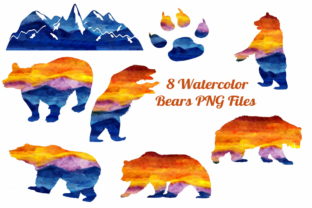
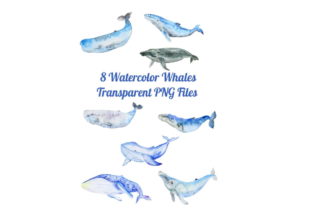
The first thing that stands out about 8 Watercolor Whale Silhouettes is its soft, dreamy mood. The silhouettes are rendered in a watercolor style that evokes oceanic serenity and whimsy. These aren’t rigid outlines or cartoonish shapes—they’re gentle, flowing, and have a sense of depth that makes them feel alive on fabric. Each whale has subtle shading and texture, which can translate well into stitch definition if executed correctly.
The layout of each silhouette varies slightly, offering flexibility in positioning and spacing. Whether you're looking to create a minimalist look or a more dynamic arrangement, there’s room for creativity. However, because of the watercolor elements, some details might be less defined compared to bold vector-based designs. That said, this softness adds to the charm and could work beautifully in certain niches like boutique fashion or personalized gifts.
Where This Design Shines
I tested these designs on a custom sweatshirt project commissioned by a client who wanted something unique for their children's sleepwear line. The whales were placed along the hemline in a staggered formation, creating a gentle rhythm that felt both playful and calming. The overall effect was elegant—something that stood out as a premium handmade product without being over-the-top.
- Custom Apparel: The silhouettes worked well on cotton-blend sweatshirts using satin and fill stitches. They added a quiet sophistication that resonated with parents looking for something different for their kids’ wardrobes.
- Tote Bags: On linen canvas tote bags, the design held up nicely. The slight texture of the fabric helped define the watercolor strokes when paired with a light stabilizer.
- Nursery Decor: One version was stitched onto a pillow cover for a baby gift. It created a soothing focal point that blended seamlessly with other organic motifs, enhancing the room’s aesthetic without clashing.
- Holiday Gifts: When used on tea towels, the design gave a festive yet understated holiday vibe. Customers appreciated the uniqueness and the way it complemented their kitchen decor.
Practical Considerations for Real-World Use
While the design is visually appealing, there are several practical aspects to consider before finalizing your project. As a professional, I always recommend testing a digital embroidery file like 8 Watercolor Whale Silhouettes on scrap fabric first. This allows you to see how the thread colors interact with the fabric background and how the stitches render the softer parts of the design.
- Stitch Density: The watercolor shading relies on varying levels of fill stitch density. Too much compression can muddy the detail, while too little may make the design look flat. I found that adjusting the stitch density slightly depending on the area helped maintain clarity.
- Thread Color Contrast: Because the design uses a limited palette, it’s important to choose thread colors that pop against the fabric. Light grays and blues worked best on white backgrounds, but on darker fabrics, the contrast was significantly reduced.
- Hoop Size: Some of the larger whale silhouettes require a minimum hoop size of around 6x10 inches. If you're working within smaller constraints, such as a cap or patch, you may need to scale down carefully to avoid distorting the flow of the lines.
- Stabilizer: A tear-away or cut-away stabilizer is essential here, especially if you plan to stitch on stretchy or thin materials. Without proper support, the fine lines and shaded areas can pull or distort during the process.
Use Cases to Avoid or Adapt
Despite its beauty, this design isn’t ideal for every surface or application. Here are a few places where you might want to use it carefully or adjust your approach:
- Textured Fabrics: The soft shading doesn't hold up well on heavily textured materials like denim or flannel unless you’re willing to experiment with stabilizers and stitch types.
- Dark Fabric Backgrounds: The watercolor effect is most visible on light-colored fabrics. On black or navy bases, the design loses much of its visual impact unless you use metallic threads or highlighter stitches.
- Curved Surfaces: Stitching on curved surfaces like caps or sleeves can cause distortion if not scaled and positioned properly. Always test the design on a similar surface before mass production.
- Products Requiring Frequent Washing: The delicate lines and lighter shades may fade faster than bolder, solid-stitched designs. For items like baby clothes or aprons, consider reinforcing with heavier-weight threads or adding a protective coating.
Design Impact on Product Value and Branding
When applied correctly, 8 Watercolor Whale Silhouettes can elevate the perceived value of a handmade product. Its artistic quality gives a sense of craftsmanship and attention to detail, which is particularly appealing to customers shopping for personalized gifts or boutique-style merchandise. Etsy sellers and small shop owners might find this design especially useful for seasonal collections or niche markets like marine-themed apparel or eco-conscious branding.
In terms of customer trust, a well-executed version of this design suggests professionalism. Clients and buyers will notice the effort put into selecting a non-generic, high-quality machine embroidery design. It also supports brand consistency when used across multiple items like tote bags, patches, and nursery décor, creating a cohesive visual identity for your craft business.
However, if the design is poorly translated into stitch, it can lose its appeal. This is why it's crucial to inspect small details before finalizing. Are the tails and fins clearly defined? Do the shaded areas retain their shape after washing? These are all factors that influence buyer engagement and the overall success of the finished product.
Professional Designer Tips for Optimal Results
To get the most out of 8 Watercolor Whale Silhouettes, keep these notes in mind:
- Test on Scrap Fabric: Before moving to your final product, stitch a sample to evaluate how the design looks in person and whether any adjustments are needed.
- Review Thread Colors: Choose thread colors that complement your fabric and enhance the watercolor effect. Neutral tones often work best for a subtle look, while brighter hues can add vibrancy.
- Check Stitch Types: Look at how running stitch, satin stitch, and fill stitch are used in different parts of the design. You may need to tweak stitch types for better coverage or cleaner edges.
- Confirm Hoop Size: If the design includes large whales, ensure you have the appropriate hoop size available. Otherwise, consider simplifying or breaking the design into sections.
- Inspect Small Details: Zoom in on the file preview to check for intricate corners or tiny features. These may require extra care when stitching or scaling.
- Test in Black and White Mockups: This helps assess contrast and readability, especially if you're considering monochrome versions for certain fabric types.
- Compare Light and Dark Backgrounds: Understand how the design behaves in different lighting conditions and fabric tones. Sometimes, what looks great digitally doesn’t translate perfectly in reality.
- Use Proper Stabilizer: Especially for thinner or stretchier materials, stabilizer is key to preventing puckering and maintaining the integrity of the design.
- Check Licensing: If you're planning to sell finished products or digital embroidery files, confirm the licensing terms of Graphic Templates to ensure compliance and protect your business from legal issues.
Final Thoughts for Crafters and Entrepreneurs
8 Watercolor Whale Silhouettes is a design that leans into the emotional side of embroidery. It tells a story, even if subtly, and invites a connection between the viewer and the artwork. As a reviewer, I’ve seen it work exceptionally well in curated handmade collections and as part of a thematic lineup for a craft business. It’s not a one-size-fits-all solution, but with the right preparation and context, it can become a standout feature in your embroidered projects.
For hobbyists, this is a great addition to your digital embroidery file library if you enjoy experimenting with artful motifs. For small shop owners and Etsy sellers, it offers a fresh take on popular themes like ocean life, making it perfect for seasonal or specialty product lines. Just remember to approach it with care—this is a design that rewards thoughtful execution and can fall flat if rushed or improperly applied.
If you're looking to offer something memorable and meaningful in your next batch of custom apparel or handmade gifts, 8 Watercolor Whale Silhouettes is worth considering—but only if you're ready to bring out its full potential with the right techniques and materials.