Hand Painted Watercolor Background - Ora for Textures & Crafts
I recently had the chance to work with Hand Painted Watercolor Background - Ora, and I’m excited to share my honest review as someone who regularly creates handmade products, runs an Etsy shop, and designs for local craft fairs. This graphic design asset is a standout in the world of textures, especially for those looking to add subtle elegance or soft charm to their projects. Let me walk you through how it fits into real crafting workflows and what kind of results you can expect.
A Soft, Artisanal Vibe That Works Well for Handmade Businesses
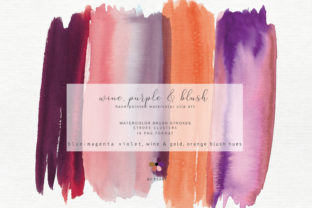
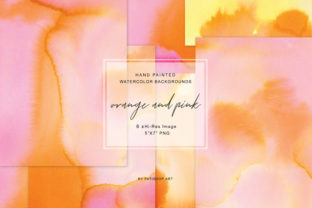
The first thing that caught my eye about Hand Painted Watercolor Background - Ora was its gentle, handcrafted feel. It has a watercolor texture that’s not too busy but still adds visual interest. The background looks like it was painted by hand — which gives it a unique artisanal quality perfect for handmade product lines. It feels cozy, feminine, and a bit romantic. This kind of aesthetic usually appeals to customers who love personalized gifts, seasonal decor, or anything with a touch of whimsy and warmth.
If you're creating products like greeting cards, gift tags, or planner stickers, this background instantly elevates the look without overwhelming the content. It suggests a style that's both modern and nostalgic — something I’ve found works really well for fall and winter collections, especially when paired with muted tones or botanical elements.
Real-World Use Cases for Cricut and Silhouette Projects
Let’s get practical. As a designer who uses Cricut and Silhouette machines daily, I need assets that are easy to manipulate and versatile across different materials. Here’s how I used Ora in recent project batches:
- Tumbler wraps: I layered Ora behind a simple floral SVG and printed it on vinyl. The result felt premium and gave the tumbler a soft, elegant finish.
- Sticker design: For a set of thank-you stickers, I used the PNG version of Ora with transparency and added a handwritten font. The combination created a beautifully cohesive look that felt personal yet professional.
- Greeting card backgrounds: Printed directly onto cardstock, Ora provided a lovely base for minimal text and small illustrations. It helped differentiate my cards from mass-produced ones at the craft fair.
- Printable wall art: I resized Ora to fit A4 paper and paired it with a serif font for quotes. The final digital print-on-demand file looked amazing on matte paper and sold quickly in my Etsy shop.
Why It Fits Into Seasonal Collections and Branding
This background has become part of my seasonal design bundle for autumn and winter. Its softness makes it ideal for holiday-themed items like ornaments, calendars, and gift tags. When designing for a small business, especially one focused on handmade goods, having a consistent texture or pattern can help reinforce your brand identity. Ora blends well with other watercolor or ink-style clipart, making it a great addition to any handmade business branding kit.
For example, I used it in packaging labels for a new line of bath bombs. The watercolor texture gave them a spa-like, boutique feel that resonated with my customer base. It also worked well for sublimation design on mugs and tumblers, where the soft colors didn’t clash with the white ceramic base.
Technical Notes: What Every Crafter Should Check Before Using
While Hand Painted Watercolor Background - Ora is visually appealing, there are some technical aspects every crafter should verify before using it in production:
- Test the file before selling finished products: Always print a sample on your intended material. I noticed slight color variations between screen preview and actual prints depending on the printer and paper used.
- Check if SVG lines are clean: If you’re planning to cut the design with Cricut or Silhouette, make sure the vector paths are smooth and don’t have unnecessary nodes or overlaps.
- Preview PNG transparency: The PNG file included with Ora has good transparency, but I recommend checking how it looks on both light and dark backgrounds before finalizing a design.
- Confirm resolution for sublimation: Sublimation requires high-quality files. While Ora worked well for my test batch, always ensure the image is at least 300 DPI for large-format printing.
- Resize it for different products: Whether you’re making tote bags or mini stickers, resizing the background while maintaining clarity is key. I scaled it down for small gift tags and up for large banners — it held up nicely in both cases.
- Simplify the layout if needed: If your design includes multiple layers or intricate details, consider simplifying the composition. Ora is delicate, and adding too much can create clutter.
- Pair it with the right fonts: I found that pairing Ora with serif or script fonts (like Dancing Script or Playfair Display) enhanced its soft, artistic vibe. Avoid very bold or modern sans-serif fonts unless you want to contrast the style intentionally.
- Confirm commercial licensing: Make sure you have the proper license to use Ora for customer orders or resale. Licensing terms vary widely among design marketplaces, and as a small business owner, I take this seriously.
Where It Shines Best
Ora truly comes alive in these crafting scenarios:
- Large cut files: Its texture doesn’t lose detail when scaled up, making it excellent for banners, wall art, or large packaging.
- Clean printable layouts: It works as a subtle backdrop for text-based designs, helping the main message stand out while still feeling creative.
- Seasonal craft bundles: I added it to a Halloween-themed collection for decorative accents on lanterns and invitations — it gave a warm, autumnal feel.
- Gift products: From custom magnets to wrapping paper, Ora helps create a sense of occasion and thoughtfulness.
- Decorative accents: Used as a corner embellishment or border element, it adds just enough character without being distracting.
- Personalized items: The background complements names, dates, or short phrases perfectly, giving a bespoke appearance to each piece.
- Product mockups: I placed it behind mockup templates for social media and listings — it made the products look more curated and attractive to buyers.
- Printable designs: Ideal for planners, calendars, or digital downloads. It’s not too loud, so it doesn’t compete with the user’s own notes or content.
- Handmade shop collections: It ties together a range of products under a single aesthetic, helping customers recognize your brand style.
Where to Use It Carefully
That said, there are some situations where Ora might not be the best choice:
- Very small cutting details: Because it’s a background with texture, using it in tiny spaces can lead to lost detail or a muddy look.
- Thin lines or crowded compositions: The watercolor effect may blend with other fine elements, reducing legibility and overall appeal.
- Low-contrast colors: Be cautious when using it with pastels or off-whites; the texture may become less visible.
- Layered vinyl projects: If you're stacking multiple SVG layers, the background might not show through as intended. Test layer opacity settings.
- Small sticker sizes: In my experience, it’s better suited for larger stickers where the texture can breathe and not get pixelated.
- Designs requiring clean readable shapes: For things like logo cuts or geometric patterns, Ora might not provide the crispness needed for clear communication.
Final Thoughts for Crafters and Creative Entrepreneurs
Hand Painted Watercolor Background - Ora is a solid graphic design asset that brings a touch of sophistication and creativity to handmade and printable products alike. It’s particularly useful for those who focus on seasonal items, personalized gifts, or boutique-style offerings. The texture it adds isn’t overpowering, which means it won’t overshadow the purpose of your product — whether that’s showcasing a quote, a name, or a photo.
As an experienced crafter, I appreciate how versatile it is across platforms like Cricut and Silhouette, and how it adapts to different formats such as SVG, PNG, and even sublimation-ready files. However, like any design asset, it needs thoughtful application. Testing is crucial, especially when scaling for print-on-demand services or preparing for a large order.
If you're building a design bundle for your next Etsy listing or thinking about how to spruce up your handmade business with a fresh texture, Ora could be a valuable addition to your toolkit. Just remember to pair it with complementary elements and always confirm the commercial usage rights before applying it to customer-facing products.
Overall, I’d say this is a go-to background for anyone wanting to infuse their crafts with a soft, artistic flair. It’s not just a pretty texture — it’s a functional design element that supports storytelling, enhances visual cohesion, and helps your handmade creations stand out in the creative marketplace.