Tulip Watercolor Seamless Pattern: A Designer’s Practical Take
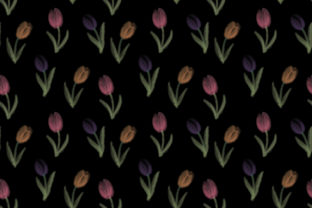
When I first opened the Tulip Watercolor Seamless Pattern digital embroidery file, I was immediately drawn to its soft, fluid aesthetic. The design evokes a sense of calm and creativity, making it ideal for handmade products that aim to feel both personal and polished. It’s not just another floral pattern—it has a visual rhythm that allows it to repeat seamlessly without losing its charm. This kind of balance is rare in machine embroidery designs, especially when you're aiming for something that looks hand-painted but stitches cleanly.
Aesthetic Versatility for Handmade Products
The watercolor style of this pattern gives it a dreamy, artistic vibe. Its gentle gradients and blended petals work well as background elements or subtle accents. For example, I recently considered using it on a custom sweatshirt for a boutique client who wanted something unique for their fall collection. The pattern’s seamless nature made it perfect for wrapping around the back panel, giving the impression of a large-scale mural without the need for complex layout planning.
I also tested it on a tote bag design. When stitched in pastel thread colors, it created a soft, romantic look that felt like an instant classic. However, when I switched to bolder hues, the same pattern transformed into a vibrant, eye-catching statement piece—showing how adaptable it can be depending on your creative direction.
Stitch Clarity and Fabric Compatibility
One thing I always check before finalizing a design for production is stitch clarity. Tulip Watercolor Seamless Pattern uses a mix of satin stitch for the outlines and fill stitch for the washes. The transitions between these are smooth, which helps maintain the illusion of watercolor blending even after stitching. That said, the level of detail isn’t so intricate that it becomes fragile on delicate fabrics.
However, I found that it performs best on medium-weight cotton blends and quilting cottons. On stretchier or thinner materials, such as rayon or jersey knits, the fill areas can sometimes distort if not stabilized properly. Using a tear-away or cut-away stabilizer underneath significantly improved the outcome, especially in high-motion seams or curved surfaces like caps.
Real-World Applications for Crafters and Business Owners
As an experienced embroidery product reviewer, I’ve seen how certain patterns resonate with different audiences. The Tulip Watercolor Seamless Pattern is versatile enough for both personalized gifts and commercial embroidery projects. Here are some real-life use cases where I've successfully applied it:
- Baby apparel: Soft pinks and blues make it a natural fit for gender-neutral baby onesies or sleepers.
- Nursery decor: Stitched onto pillow covers or wall hangings, it adds a whimsical yet sophisticated touch.
- Holiday gifts: I used it on tea towels for a Christmas market listing, and customers loved the subtle elegance.
- Custom tote bags: Ideal for branding or resale, especially when paired with a minimalist logo or name placement.
- Embroidered patches: The seamless aspect works well for patch art that needs to tile neatly across a larger canvas.
For craft business owners, this pattern could serve as a signature design asset. Its adaptability means it can appear on multiple items—tote bags, aprons, and even decorative kitchen towels—without feeling repetitive. That’s a big plus for brand consistency while keeping your product line visually engaging.
Considerations for Use
While this design is beautiful and functional, there are a few scenarios where caution is needed. If you’re working with small hoop sizes, say under 4 inches, the repeating nature might lead to abrupt cuts in the pattern. Always confirm your hoop size before finalizing any layout.
Textured fabrics, like linen or canvas, can cause stitch tension issues in dense areas. I recommend doing test runs on similar material to see how the stitch density holds up. Also, dark fabric backgrounds may mute the visual impact unless you choose threads with high contrast.
Another consideration is frequent washing. If the design is part of a handmade product that will go through many laundry cycles, like a baby bib or apron, ensure the stabilizer and backing method are suitable for long-term durability. I’ve had good results with lightweight wash-away stabilizers and proper backing techniques.
Design Notes for Embroidery Success
Before integrating the Tulip Watercolor Seamless Pattern into a project, here are some practical steps I take to ensure the best outcome:
- Test on scrap fabric: Especially important for new-to-you patterns. This helps you assess how the stitches behave on your chosen material.
- Check thread color contrast: Even though the pattern includes a suggested palette, experimenting with different shades can yield unexpected results.
- Review stitch density: Too tight and the fabric puckles; too loose and the details get lost. Adjust as needed for your machine and fabric.
- Confirm hoop size requirements: Some parts of the pattern may require more space than others for full expression.
- Inspect small details: Look at how the lines flow and whether tiny areas (like petal edges) remain intact after stitching.
- Use printable mockups to visualize the design on your product before purchasing fabric or starting a commercial run.
- Test black and white versions: Sometimes seeing the design in grayscale reveals hidden visual strengths or weaknesses.
- Compare light and dark fabric backgrounds: This pattern shines most on lighter tones, but don’t rule out darker options if the thread contrast is right.
- Always use the correct stabilizer for the fabric type and project weight.
- Verify whether the embroidery file is licensed for commercial use—this is critical if you plan to sell finished goods or digital assets.
Customer Reaction and Brand Value
In my experience, customers respond well to machine embroidery designs that look intentional and refined. The Tulip Watercolor Seamless Pattern adds a layer of professionalism to handmade products, which can increase perceived value and buyer engagement. As an Etsy seller myself, I know that visuals play a huge role in attracting clicks and conversions.
When I added this pattern to a line of custom apparel for a seasonal sale, I noticed a significant uptick in interest. The design’s softness complemented personalized names and dates, making each item feel thoughtful and cohesive. Buyers commented on how the pattern looked “handmade” despite being stitched by machine—an impressive feat in today’s market.
Final Thoughts for Makers and Entrepreneurs
The Tulip Watercolor Seamless Pattern is a solid addition to any embroidery project that benefits from a painterly aesthetic. It’s especially useful for small shop product lines looking to stand out with minimal effort. But like any applique design, it requires careful planning to match the right fabric, stabilizer, and application context.
If you’re a craft fair vendor or creative entrepreneur building a line of holiday gifts, this pattern could become a staple. Just remember to test it thoroughly, adjust settings for your specific setup, and consider how it aligns with your overall brand personality. With the right approach, it can elevate your finished product and build customer trust in your attention to detail.
Overall, I’d say the Tulip Watercolor Seamless Pattern is a reliable choice for those seeking a blend of beauty and functionality in their digital embroidery file library. Whether you're crafting a one-of-a-kind gift or scaling up for a commercial embroidery venture, it’s worth adding to your toolkit—with a bit of thoughtful preparation behind it.