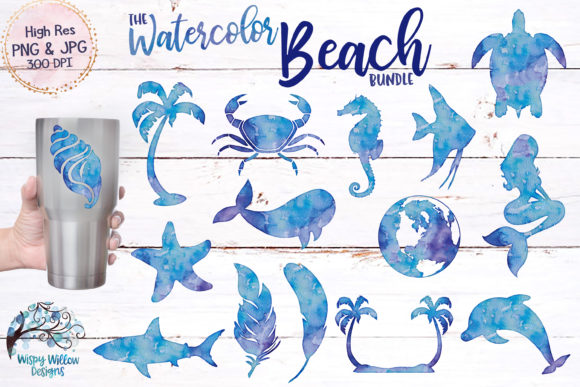
Watercolor Beach Clipart for Crafts and Creative Projects
As a professional graphic designer with years of experience working on branding, packaging, and digital campaigns for small businesses and creative entrepreneurs, I’ve reviewed countless design assets. One that recently caught my eye is Watercolor Beach Clipart. This collection offers a soft, organic aesthetic that’s both inviting and versatile. But before integrating it into a client project—like a seasonal product line for an Etsy shop or a summer-themed marketing campaign—I wanted to take a closer look at how it performs in real-world design scenarios.
First Impressions: A Soothing Visual Palette
The first thing that stands out about Watercolor Beach Clipart is its mood. It brings a sense of calm and warmth, evoking the laid-back vibe of coastal living. The brush strokes are loose yet intentional, and the colors feel hand-painted rather than digitally generated. This gives the illustrations a tactile, artisanal quality that works well for handmade brands, lifestyle products, and designs that aim to feel personal and authentic.
Ideally suited for creative design projects that lean into soft, romantic, or bohemian aesthetics, this clipart naturally fits within themes like travel, wellness, summer, and nature. It’s perfect for clients who want their brand identity to reflect a beachy, carefree spirit without veering into overly literal or cluttered visuals.
Real Design Use Cases and Performance
Let’s imagine a scenario where a client is launching a new line of organic skincare products inspired by the ocean. The visual concept needs to communicate serenity, purity, and connection to nature. In this case, Watercolor Beach Clipart could serve as a subtle background element on product labels or as a central illustration in packaging design.
Here are some specific ways I see it being used effectively:
- Product Mockups: The clipart adds texture and personality when layered over clean layouts. For example, placing a watercolor wave pattern behind a minimalist product photo can elevate the overall presentation without overwhelming the content.
- Brand Identity Elements: When paired with a handwritten or script font style, the clipart supports a cohesive, handcrafted look. It can be subtly incorporated into logo accents or used in supporting brand elements like social media headers or blog banners.
- Printable Designs: From invitations to wall art, the soft edges and gentle hues make these illustrations ideal for print-on-demand items. They add visual interest while maintaining a high level of printability, especially if the file includes proper PNG transparency or SVG vector options.
- Editorial and Web Design: These illustrations work well in editorial spreads or website graphics that aim for a relaxed, approachable tone. They’re particularly effective in hero sections or large layout areas where they can breathe and contribute to the emotional appeal of the page.
When to Use Watercolor Beach Clipart Carefully
While this design asset has a lot of charm, there are situations where it might not perform as well. For instance:
- Small Sizes: The intricate brushwork may become unclear when scaled down, making it unsuitable for tiny icons, buttons, or text overlays.
- Crowded Layouts: If your design already has multiple elements, adding another layer of watercolor texture can lead to visual clutter. Stick to using it as a decorative accent rather than a primary feature.
- Low-Contrast Backgrounds: The muted tones might get lost if placed on a similarly soft or busy background. Always preview it against light and dark variations to ensure legibility and hierarchy remain intact.
- Professional Corporate Materials: This style leans more toward lifestyle and craft-oriented audiences. It may not align with the clean, structured look needed for corporate brochures or formal presentations.
Design Considerations for Commercial Use
If you're considering using Watercolor Beach Clipart for a commercial design project, here are some key points to check:
- File Formats: Ensure the clipart comes in suitable formats such as SVG or high-resolution PNGs. Vector files are essential for scalable use in merchandise like t-shirts, mugs, or tote bags.
- Transparency: If you plan to place the clipart over photos or textured backgrounds, verify that the PNG files have clean alpha channels for seamless integration.
- Commercial License: Before using any graphic design asset, always confirm the commercial licensing terms. Some clipart sets allow use in logos or sublimation prints, while others restrict them to non-commercial purposes.
- Test Print Quality: Especially for physical products like stickers or stationery, run test prints to ensure the colors translate well and the details hold up under various printing methods.
- Font Pairing: I recommend pairing it with a serif or handwritten font for maximum cohesion. Sans-serif or display fonts might clash with the organic feel of the clipart, unless intentionally contrasted for effect.
Where It Shines in Client Projects
Watercolor Beach Clipart excels in several types of design bundles and creative applications:
- Themed Collections: Perfect for creating cohesive summer or beach-inspired product lines, whether digital or physical.
- Hero Graphics and Posters: Large-scale use highlights the beauty of the brushstrokes and enhances the visual storytelling of the piece.
- Handmade Business Branding: Offers a unique touch that helps differentiate a handmade business from mass-produced competitors.
- Etsy Product Listings: Can be used in Canva templates or Cricut projects to create custom tags, packaging inserts, or downloadable printable items.
- Social Media Campaigns: Works beautifully in Instagram posts or Pinterest pins that need a fresh, inviting look to boost audience engagement.
Emotional Appeal and Brand Consistency
In today’s market, visual trust and emotional resonance are crucial. Watercolor Beach Clipart contributes positively to both by offering a warm, nostalgic, and trustworthy appearance. It’s ideal for building brand consistency in visual systems that emphasize natural ingredients, mindful living, or coastal aesthetics.
However, since it carries a distinct artistic flair, it’s important to ensure it aligns with the broader brand language. If the rest of the design system uses bold typography and sharp geometric shapes, this clipart might feel out of place. But when used thoughtfully, it can enhance the overall impression and help create a memorable visual identity.
Designer Tips for Integration
To get the most out of this digital product, consider the following best practices:
- Test in Black and White: See how the clipart holds up when color isn’t an option. Will it still convey the intended message and maintain visual hierarchy?
- Use as Accent: Rather than letting it dominate the layout, integrate it as a supporting element to highlight other key components like text or photography.
- Layer Strategically: Apply subtle blending modes or opacity adjustments to blend the clipart with other design layers without losing clarity.
- Check Scalability: If planning to use it in a Cricut project or for SVG design, ensure all elements are easily editable and won’t pixelate when resized.
- Preview Across Platforms: Test how it looks on different screens and print mediums. Will the soft textures render clearly on a printed mug or a digital ad?
A Valuable Addition to Your Creative Toolkit
In summary, Watercolor Beach Clipart is a strong contender for many crafts and creative design projects. Its hand-drawn feel makes it stand out in a sea of rigid, stock-style images, and it can bring a refreshing touch to both digital and print deliverables.
It’s especially useful for small business branding and print-on-demand ventures looking to establish a unique visual voice. Whether you're designing a Cricut project for a boutique or crafting a set of social media graphics for a local event, this clipart can help elevate your output and connect more deeply with your target audience.
That said, every design project is unique. Take the time to evaluate how well this asset complements your existing materials and whether it meets the practical requirements of your client's goals. With the right application, it can be a powerful tool in your creative arsenal.