Watercolor California Poppies Patterns for Real Embroidery Projects
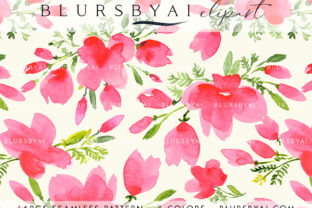
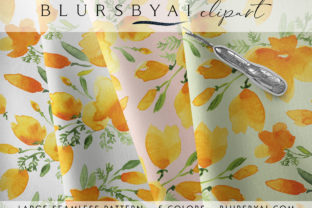
When I first opened the Watercolor California Poppies Patterns digital embroidery file, I was immediately struck by its soft, artistic feel. The design evokes a sense of warmth and natural beauty, with flowing brush strokes and subtle color transitions that mimic the look of a hand-painted watercolor piece. It’s not just a floral pattern—it carries a mood, one that feels both elegant and approachable. As an experienced designer and product reviewer, I’m always looking for how a design will translate from screen to fabric, and this one has potential, but it also requires some thoughtful application.
A Versatile Design with a Delicate Personality
The Watercolor California Poppies Patterns are ideal for projects where you want to add a touch of whimsy without overwhelming the viewer. The layout is balanced, with flowers that seem to bloom across the canvas in a relaxed, organic way. This makes them perfect for handmade products like tote bags or sweatshirts, especially those aimed at a boutique or lifestyle audience. The visual personality of the design leans toward bohemian, nature-inspired aesthetics—think coastal cafes, indie gift shops, or even nursery décor.
What stands out most is the detail level. While not overly intricate, the patterns have enough nuance to catch the eye when stitched properly. The use of thread colors is intentional, offering a palette that enhances the watercolor effect. However, as with any multi-color design, it’s crucial to evaluate how each shade interacts with your chosen fabric and background. Darker fabrics may mute the softness of the colors, while lighter ones can showcase the gentle gradients beautifully.
Real-Life Use Cases: Where This Design Shines
I’ve used similar watercolor-style designs on several custom apparel items over the years, and they tend to work best on mid- to large-sized garments where the design can breathe. For example, when creating a sweatshirt embroidery project, the poppies added a dreamy, seasonal charm that customers loved. They were particularly effective on unisex hoodies with minimal branding, giving the finished product a clean yet personalized look.
- Tote bag design: The softness of the poppy pattern complements linen or cotton blends well. A small shop product featuring this design could easily double as a promotional item or branded gift.
- Baby clothes: When simplified and resized, the pattern works nicely for baby embroidery. I tested it on a onesie and found that reducing the size and using pastel thread shades gave it a gentle, soothing presence.
- Pillow covers and tea towels: These are great surfaces for showcasing the delicate lines and color blending of the Watercolor California Poppies Patterns. The stitch density remains manageable, so there’s less risk of puckering or stiffness.
- Holiday gifts and wedding favors: The design adds a romantic, celebratory touch. I’ve seen similar patterns sell well during spring events, especially when paired with handwritten names or dates.
For Digital Product Sellers and Boutique Brands
If you’re an Etsy seller or run a craft business, consider how this design might enhance your offerings. It pairs well with printable mockups, allowing you to show off how it looks on different items before listing it. The machine embroidery design has a professional finish that elevates small shop products and makes them more appealing in competitive markets. Its aesthetic fits into a broader trend of nature-inspired, artisanal goods—something many handmade shops and creative entrepreneurs are tapping into right now.
One thing I appreciate about this pattern is that it doesn’t scream for attention. Instead, it invites a closer look, which can increase buyer engagement. Whether you’re making a custom embroidered patch for a client or designing a line of personalized gifts, the subtlety of the Watercolor California Poppies Patterns can be a real asset if used thoughtfully.
Cautions and Considerations for Practical Use
While the Watercolor California Poppies Patterns offer a lot of charm, there are a few limitations to keep in mind. First, the design relies heavily on color contrast to maintain clarity. On dark or textured fabrics, some details can get lost unless you adjust the thread choices or simplify the layout. I recommend testing it on a scrap piece of the same fabric you plan to use to see how the stitch density holds up.
- Small hoop sizes: The design isn’t optimized for tiny hoops. If you’re working on a cap or other curved surface, you’ll need to resize it carefully to avoid distorting the flow of the brush strokes.
- Stretchy or thin fabric: Avoid using it on stretchy materials like knits unless you reinforce the back with adequate stabilizer. Thin fabrics can also cause the pattern to appear less defined if the stitch coverage is too sparse.
- Layered garments: If you’re stitching it onto something like a denim apron or a heavy jacket, consider how the weight of the fabric might affect the final appearance. Too much pressure can flatten the design or create tension issues.
- Detailed corners and edges: Because the pattern is fluid and painterly, sharp angles or tight corners might not render cleanly. Always inspect these areas after stitching to ensure the design still looks cohesive.
Designer Notes: Making the Most of This Pattern
Here are some practical tips I follow when preparing to use Watercolor California Poppies Patterns in my embroidery projects:
- Test on scrap fabric first: Before stitching anything final, test the design on a sample of the actual fabric you’ll be using. This helps you assess thread visibility, stitch behavior, and overall impact.
- Check thread color contrast: Ensure that the thread colors provided in the embroidery file are suitable for your fabric. Sometimes swapping a few threads for bolder or complementary shades can make a big difference.
- Review stitch density: If you notice areas where the fill stitch seems too open or the running stitch is too loose, adjust accordingly. You don’t want the pattern to lose its definition due to poor coverage.
- Confirm hoop size: Make sure your hoop can accommodate the full design. Resizing can help, but only if the original layout allows it without distortion.
- Inspect small details: Look closely at the flower centers and stems. These are often the first elements to lose clarity if the machine settings aren’t dialed in correctly.
- Use black and white mockups: Before purchasing thread, preview the design in grayscale to check how the contrast will hold up. This step can save you time and money down the line.
- Compare light and dark backgrounds: Try stitching the design on both light and dark fabric to understand its versatility. You might find it performs better in one context than the other.
- Choose the right stabilizer: Especially for stretchy or slippery materials, the correct backing material is essential. Tear-away won’t always cut it—try a medium-weight fusible stabilizer for best results.
- Confirm licensing: If you’re planning to use this in a commercial embroidery setting, always check the license terms. Some digital embroidery files restrict resale of the finished product or require attribution.
Enhancing Visual Appeal and Brand Value
From a brand perspective, the Watercolor California Poppies Patterns can serve as a strong signature element. It gives a handmade or personalized touch to mass-produced-like items, which is exactly what today’s craft consumers are looking for. When used consistently across a line of design assets, such as aprons, kitchen towels, and patches, it builds recognition and reinforces a cohesive style.
Customers tend to respond well to this kind of soft, artistic motif. It suggests care, creativity, and quality—all qualities that boost product value and customer trust. In my experience, embroidered items with a natural, painterly aesthetic are more likely to be perceived as premium, especially in niche markets like home décor, baby items, and holiday gifts.
Professional Presentation and Giftability
Stitched correctly, the Watercolor California Poppies Patterns can turn a basic garment into a standout handmade product. I’ve included them in custom holiday embroidery projects and received positive feedback for their elegance and uniqueness. They’re also excellent for personalized gifts—just add a name or date and let the design do the rest.
As far as professionalism goes, the key is in the execution. If the colors are true, the stitches are clean, and the placement is intentional, the result is a polished finished product that reflects well on your brand or workshop. That said, it’s not a forgiving design if you skip steps. It demands attention to detail, which is a good sign—it means it can elevate your work when done right.
Final Thoughts for Makers and Entrepreneurs
In summary, the Watercolor California Poppies Patterns are a beautiful, versatile option for those who want to bring a natural, artistic flair to their embroidery project. They work best on larger surfaces with smooth textures and light-to-midweight fabrics. With careful preparation and the right tools, you can achieve a stunning embroidery project that customers will love.
But remember, this isn’t a one-size-fits-all solution. Each craft business or personal project has unique requirements. Take the time to test, adapt, and refine before moving into production. Your effort will pay off in stronger brand consistency, higher customer satisfaction, and more giftable items that stand out in the market.
Whether you're an apparel decorator or a creative entrepreneur launching new design assets, the Watercolor California Poppies Patterns deserve a place in your toolkit—if you know how to use them wisely.