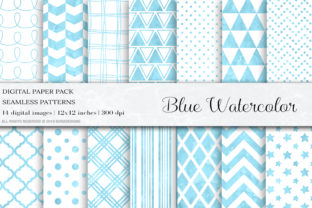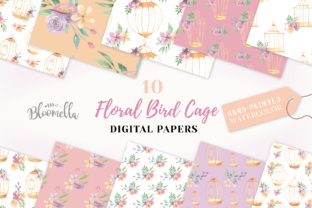
Watercolour Auburn Patterns Digital Papers
First Impressions: A Warm, Organic Visual Language
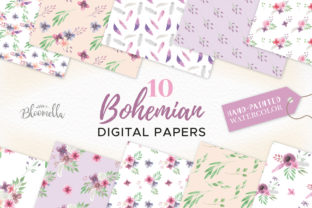
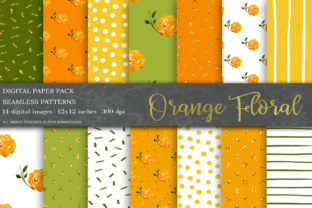
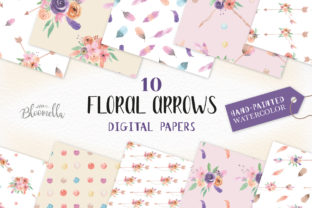
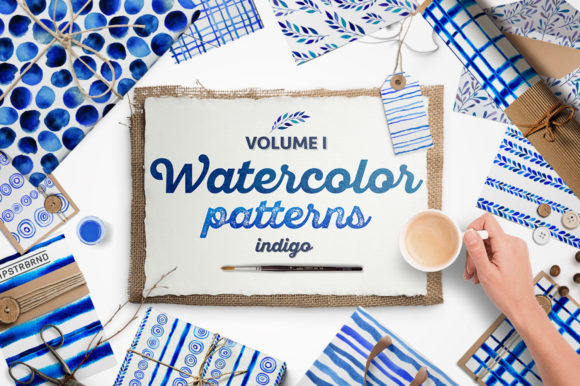
Watercolour Auburn Patterns Digital Papers immediately evoke a sense of warmth and natural texture. The soft, hand-painted aesthetic suggests a creative design that leans into the handmade, organic feel. These patterns are not overly structured or rigid; instead, they offer a relaxed, flowing energy that feels approachable and inviting. This makes them ideal for brands looking to communicate authenticity, craftsmanship, or a connection to nature.
The color palette is earthy and muted, with rich auburn tones interwoven with subtle gradients and watercolor textures. This gives the digital papers a tactile quality that translates well into both print and digital formats. For a designer, this means the asset can be used to add depth and visual interest without overwhelming the overall composition.
Practical Use in Real Design Projects
When considering Watercolour Auburn Patterns Digital Papers for real client projects, it's important to think about where they will be applied. These patterns excel in larger layout areas, such as hero graphics, product mockups, and decorative accents. They can also serve as a strong foundation for themed collections, campaign visuals, or packaging details.
In logo design, these patterns might not be the best choice if the brand requires a clean, minimalist look. However, they could work well for a brand that wants to emphasize creativity, artistry, or a personal touch. Similarly, in brand identity, they can be used as background elements or supporting visuals rather than central design features.
For product labels, packaging design, and t-shirt design, Watercolour Auburn Patterns Digital Papers offer a unique way to differentiate a product line. They can help create a cohesive look across multiple touchpoints, from social media graphics to printable designs and web design elements.
Where It Works Best
Watercolour Auburn Patterns Digital Papers shine in situations where a warm, artistic vibe is desired. They are particularly effective in sticker design, Canva templates, and Cricut projects that require a personalized, handcrafted feel. These patterns can also enhance editorial design, blog visuals, and Pinterest pins by adding a layer of visual interest without distracting from the main content.
They are especially useful for small business branding, handmade businesses, and Etsy products looking to stand out in a crowded creative marketplace. When used thoughtfully, these digital papers can elevate the perceived value of a product or service, making it feel more curated and intentional.
Best Suited for:
- Print-on-demand and sublimation design
- Sticker design and printable wall art
- Social media posts and Instagram content
- Themed collections and seasonal campaigns
- Commercial design and marketing visuals
Where to Use with Caution
While Watercolour Auburn Patterns Digital Papers are visually appealing, they may not be the best fit for every project. In small sizes or crowded layouts, the intricate details can become lost or appear cluttered. This makes them less suitable for minimalist branding or professional corporate materials where clarity and simplicity are key.
Additionally, when placed on complex backgrounds or low-contrast designs, the patterns may not stand out as intended. Designers should test them on various color schemes and ensure they maintain visibility and legibility across different platforms and devices.
For projects that require a strong visual hierarchy or a very clean aesthetic, these patterns may need to be used sparingly or paired with other design elements that provide contrast and structure.
Impact on Readability and Brand Consistency
One of the key considerations when using Watercolour Auburn Patterns Digital Papers is how they affect readability and brand consistency. If the pattern is too busy or the colors are too similar to the text, it can make the content harder to read. Designers should always test the asset in black and white and check contrast on both light and dark backgrounds.
These patterns can also influence the emotional appeal and audience engagement of a design. Their warm, organic feel can create a sense of trust and familiarity, which is beneficial for small business branding and handmade products. However, if the brand’s identity is more modern or tech-focused, the patterns may not align with the desired tone.
It’s also important to consider how these patterns contribute to the overall impression of a design project. When used effectively, they can enhance professionalism and polish, but when overused or misapplied, they may detract from the intended message.
Designer Notes: What to Check Before Using
Before incorporating Watercolour Auburn Patterns Digital Papers into a client project, designers should take the following steps:
- Test the asset at small and large sizes to ensure it remains clear and usable.
- Preview it on real mockups to see how it interacts with other design elements.
- Check print quality if the design will be used for physical products.
- Review file formats (PNG, SVG, etc.) and inspect PNG transparency if included.
- Confirm commercial licensing to ensure the asset can be used for client work.
- Compare the patterns with different font styles to ensure they complement the overall design.
By taking these precautions, designers can ensure that the asset meets the needs of the project and aligns with the client’s goals and brand identity.
Conclusion: A Versatile Creative Asset for the Right Project
Watercolour Auburn Patterns Digital Papers are a versatile graphic design asset that can add character and warmth to a wide range of projects. While they may not be suitable for every design scenario, they are an excellent choice for brands that want to convey a sense of creativity, authenticity, and craftsmanship.
Whether used in a handmade business, a seasonal campaign, or a print-on-demand product line, these patterns can enhance the visual appeal and emotional impact of a design. With careful consideration and proper testing, they can become a valuable addition to any designer’s toolkit.