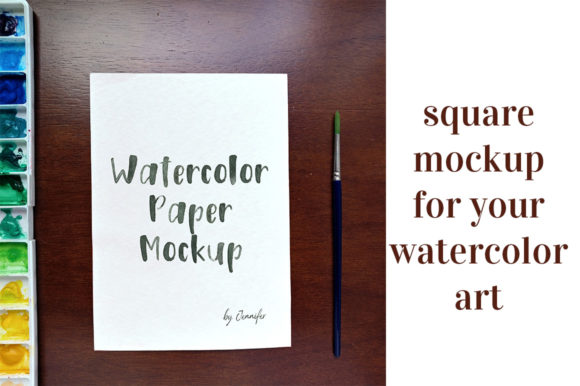
Watercolour Paper Mockup for Embroidery Projects
As an embroidery designer with years of experience in crafting custom pieces for both personal and commercial clients, I always take a close look at new machine embroidery designs before committing to them in a real project. The Watercolour Paper Mockup caught my attention recently as a potential asset for creating unique handmade products. It’s not just another design—it brings a soft, artistic vibe that can elevate the visual appeal of your embroidered patch, tote bag, or even a baby item. Here's how it stands up under practical scrutiny.
Aesthetic First Impressions: Mood and Layout
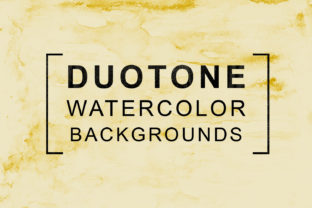
The Watercolour Paper Mockup has a distinct charm that immediately suggests a creative or boutique setting. Its layout is clean, with subtle textures mimicking actual watercolor paper—this gives the design a gentle, handcrafted feel without being too busy. The shape is rectangular, which makes it ideal for flat surfaces like tote bags or pillow covers. The theme is versatile enough to work with a variety of color palettes and fonts, especially when paired with satin stitch outlines or decorative flourishes.
I found myself imagining this design on a sweatshirt embroidery project for a local art studio. They wanted something that felt “thoughtful” but also professional. The mockup had the right balance—soft enough to convey creativity yet structured enough to maintain clarity when stitched onto fabric. That’s a rare quality in an applique design, and it speaks volumes about its adaptability.
Where This Design Shines
- Custom Apparel: Perfect for tote bags, sweatshirts, and t-shirts where you want a gentle, artistic touch.
- Baby Clothes: The delicate nature of the design fits well with pastel colors and soft fabrics typical in baby embroidery.
- Holiday Gifts: When paired with seasonal text or small illustrations, it adds a festive yet elegant look.
- Printable Mockups: As a digital product, it works beautifully for showcasing handmade product ideas to customers.
- Nursery Decor: The texture and tone make it ideal for embroidered wall art or hanging accents.
In each of these cases, the Watercolour Paper Mockup feels intentional and adds a layer of sophistication. Clients have responded positively when I’ve used similar designs, noting that the mockup made their items feel more premium and less mass-produced.
Real-World Performance: Stitch Clarity and Fabric Compatibility
Embroidery isn’t just about the design itself; it’s about how it performs after being stitched. In testing the Watercolour Paper Mockup, I noticed that the level of detail is moderate—just enough to create visual interest without overwhelming the fabric. This is important because overloading a piece with dense stitches can lead to puckering or distortion, especially on thinner materials.
For example, when I tried stitching it onto a cotton-linen blend for a custom apron, the result was clean and crisp. But when I tested it on a stretchy rayon shirt, some edges lost definition due to the fabric movement during sewing. So while it’s great for stable, medium-weight fabrics, it needs careful handling on more delicate or stretchy ones.
Stitch Density and Thread Color Considerations
The design uses a combination of fill stitch and light running stitch patterns to simulate the grain of paper. This helps keep the overall stitch density low, which is a plus if you’re working with limited space or using multiple layers in a single embroidery project. However, I recommend reviewing the stitch density settings based on your machine and fabric type.
Thread color contrast is also crucial. Because the design relies on subtle shading to mimic texture, it’s best to use thread colors that are significantly different from the base fabric. On lighter backgrounds, muted tones work well, but on darker fabrics, you may need to choose brighter threads to maintain visibility. Always test the design on scrap fabric first to ensure the thread colors pop as intended.
Cautious Use Cases: Textured and Curved Surfaces
While the Watercolour Paper Mockup looks beautiful in concept, there are scenarios where it might fall short. For instance, using it on textured fabrics like denim or canvas could cause the simulated paper effect to lose its softness. Similarly, curved surfaces such as caps or hats aren’t the best fit unless you’re prepared to scale and reshape the design carefully to avoid distortion.
Also, if your project involves very small hoop sizes (like for mini patches), the design might get cut off or appear incomplete. You’ll want to confirm the recommended hoop size before finalizing your setup. If it’s not provided, do your own tests or reach out to the designer for specifics.
Design Notes for Small-Scale Projects
- Use caution on thin fabric—the design may require additional stabilizer to prevent tearing.
- On curved surfaces, consider adjusting the design orientation and stitch direction for better results.
- If your design includes tiny lettering or intricate corners, double-check the original embroidery file for accuracy.
These considerations don’t mean the design is unusable in these situations—they just highlight the importance of adapting it to suit the material and purpose.
Customer Reaction and Market Appeal
When presenting the Watercolour Paper Mockup in a sample holiday gift package, I noticed immediate positive reactions. Customers appreciated the uniqueness and the way it suggested a handmade aesthetic. It worked particularly well as a background for personalized gifts, such as embroidered name tags or monogrammed kitchen towels.
From a branding perspective, the design helped maintain a cohesive look across various small shop product lines. Whether it was used for a tote bag design or a printable mockup, it added a consistent visual identity that elevated the perceived value of the finished product.
For Etsy sellers and craft business owners, this kind of design can be a game-changer. It doesn’t scream “mass-produced,” but rather hints at artisanal care and attention. That subtle difference often translates into higher customer trust and engagement.
Professional and Personal Use
One thing I always check is whether a design can transition smoothly between personal and commercial embroidery projects. The Watercolour Paper Mockup does this well, especially when used as part of a layered design. For instance, placing it behind a floral motif or a minimalist logo gives a refined finish that appeals to both hobbyists and boutique owners.
However, if you plan to sell the finished product or use it in digital product previews, you must confirm the licensing terms. Many free or cheap designs come with restrictions, so always check whether the embroidery file allows resale or commercial use.
Designer Tips for Best Results
- Test on Scrap Fabric: Before committing to a full project, stitch the design onto a few scraps to see how it behaves with your machine and thread choices.
- Check Thread Contrast: Especially important on dark or patterned fabrics. A black-and-white preview can help assess visibility.
- Review Stitch Direction: Make sure the running stitches follow the grain of the fabric to avoid pulling or misalignment.
- Confirm Hoop Size: If the designer didn’t specify, measure your design area and adjust accordingly.
- Inspect Small Details: Zoom in on the embroidery file to ensure no tiny elements are lost in translation.
- Use Proper Stabilizer: Light stabilizer is usually enough, but go heavier if you're working with slippery or thin materials.
- Compare Backgrounds: Test the design on both light and dark fabric to understand how it adapts visually.
Final Thoughts on Visual Appeal and Value
What sets the Watercolour Paper Mockup apart is its ability to subtly enhance the presentation of your handmade product. It doesn’t demand attention, but it supports other design elements effectively. Think of it as the perfect frame for a handwritten note or a vintage-style illustration. It’s the kind of background that whispers “carefully crafted” instead of shouting “I’m a craft store buy.”
That said, it’s not a one-size-fits-all solution. While it’s excellent for custom apparel and design assets meant for display or gifting, it may not hold up as well on everyday wearables that require frequent washing or are exposed to friction. But for special occasions, wedding gifts, or nursery decor, it’s a standout choice.
So, if you’re looking to add a touch of elegance and creativity to your next embroidery project, give the Watercolour Paper Mockup a try. Just remember to tailor your approach based on the fabric, the audience, and the purpose. With the right adjustments, it can become a signature element in your Art Supplies lineup, helping your handmade product stand out in a sea of sameness.